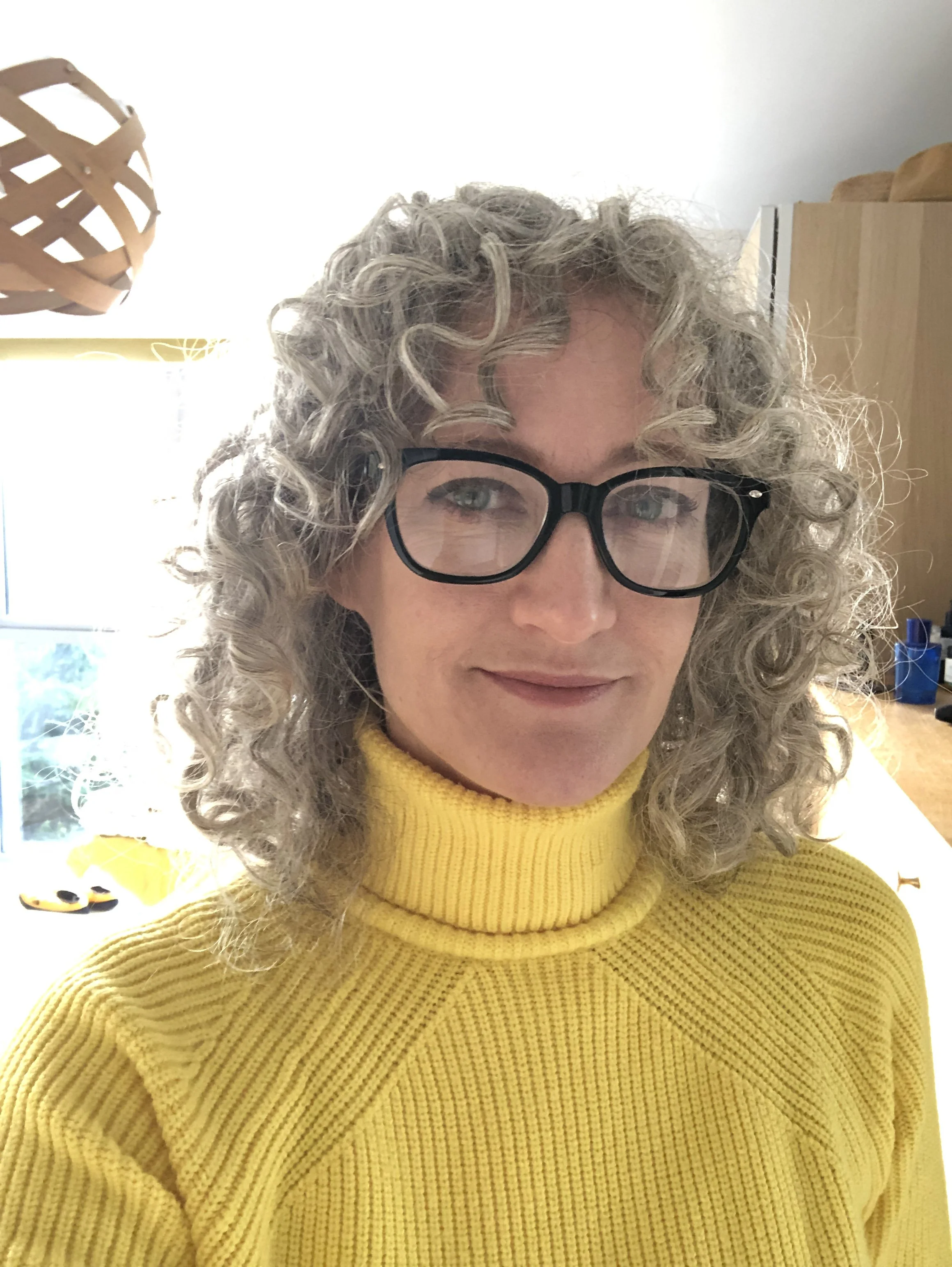
About me
My background spans both the creative arts and education. An illustration graduate, I have worked in the field throughout my career. More recently, alongside my creative practice, I worked part-time in schools as a librarian and learning support assistant. Through supporting children and young people with a wide range of needs, I developed a growing interest in mental health, wellbeing and the influence that the built environment can have on how people feel, behave and engage with the world around them.
Wanting to combine creativity with meaningful social impact, I went on to undertake a Master's degree in Interior Design for Health and Wellbeing, graduating with distinction. During my studies, I developed a particular interest in the research exploring the relationship between people and place, and recognised the need for a stronger evidence base to support wellbeing-focused design.
As I learned more about sensory processing and environmental psychology, I also began to reflect on my own responses to space—particularly the importance of acoustic comfort, thoughtful lighting and the sense of refuge offered by more sheltered, cocooning environments. These personal insights, alongside academic research, continue to inform my work.
Today, I am passionate about creating spaces with purpose: environments that support healing and inclusion, and that help people feel safe, valued and connected. My work is driven by the belief that thoughtful design can play a meaningful role in supporting those who need it most.
My Approach
Design should be shaped by the people it serves. By combining research with a collaborative and empathetic approach, I aim to create spaces that support wellbeing, inclusion and human connection. While sensory-aware design can be particularly beneficial for those who have experienced trauma or who process their environments differently, spaces designed for comfort, clarity and accessibility have the potential to improve the experience of everyone who uses them.
I welcome opportunities to work with local communities, charities, healthcare organisations, educational settings and other groups looking to improve the environments they provide. I am also interested in research roles, partnerships and projects that explore the relationship between people, place and wellbeing, helping to strengthen the evidence base for trauma-informed and inclusive design.